


Keith Hackett worries for football after incorrect penalty decision in Chelsea defeat vs Fulham


Peter Bankes and the video assistant referee failed to award Fulham a penalty in their 2-1 win over Chelsea at Craven Cottage on Wednesday.
Like many of the Premier League‘s referees, Bankes has faced criticism this season, but he initially looked to get the decision right.
Marc Cucurella pulled back Harry Wilson by the arm when he was through on goal, with the referee immediately blowing up and producing a red card for the Spaniard.
Replays showed that the incident had continued into the penalty box, yet the Whites were forced to settle for a free kick.
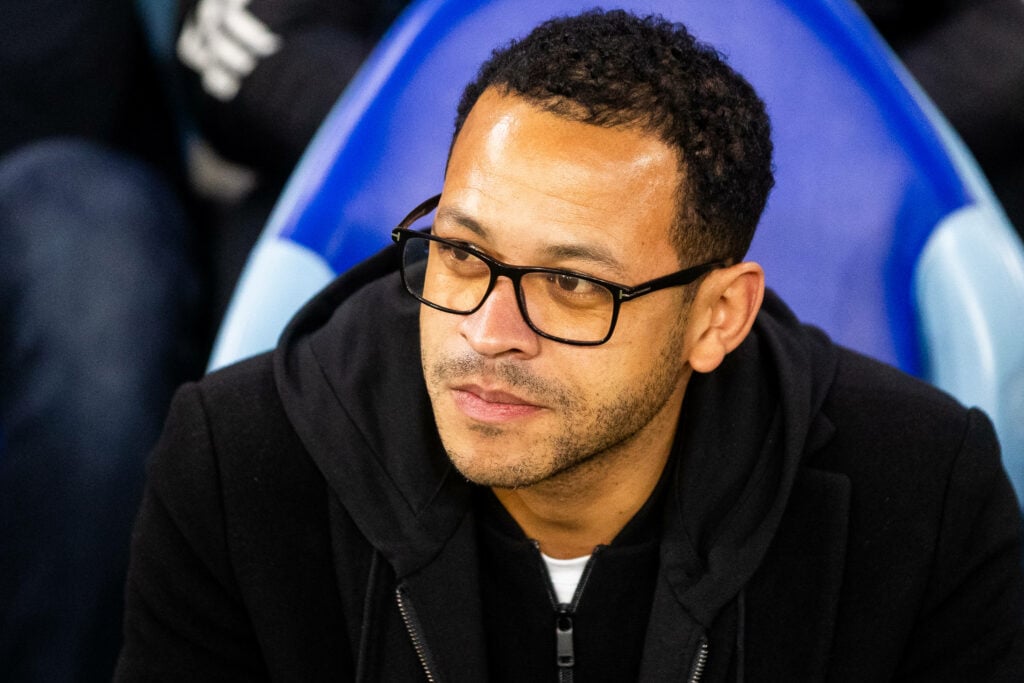
Liam Rosenior has taken charge at Chelsea, and was in attendance on Wednesday to see the contentious moment.
Keith Hackett agrees with Mike Dean on penalty decision
The Premier League’s immediate explanation for the decision to award a free kick rather than a penalty was that it had been deemed that “Cucurella committed a holding offence that did not continue into the penalty area.”
Yet the evidence seemed to refute that explanation, with Wilson finally going down well inside the penalty box.
Former Premier League referee Mike Dean said that a penalty and a red card should have been awarded, and Keith Hackett exclusively told Football Insider that he agrees.
“Mike Dean is spot on with his conclusion on this one,” the former PGMOL chief said. “Under Law 12 – Advantage, the final paragraph gives us the answer.”
Law 12 – Advantage:
- If the referee plays the advantage for an offence for which a caution/sending-off would have been issued had play been stopped, this caution/sending-off must be issued when the ball is next out of play.
- However, if the offence was denying the opposing team an obvious goal-scoring opportunity the player is cautioned for unsporting behaviour; if the offence was interfering with or stopping a promising attack, the player is not cautioned.
- Advantage should not be applied in situations involving serious foul play, violent conduct or a second cautionable offence unless there is a clear opportunity to score a goal.
- The referee must send off the player when the ball is next out of play, but if the player plays the ball or challenges/interferes with an opponent, the referee will stop play, send off the player and restart with an indirect free kick, unless the player committed a more serious offence.
- If a defender starts holding an attacker outside the penalty area and continues holding inside the penalty area, the referee must award a penalty kick.
“I worry about the law knowledge of our officials,” added Hackett. “This incident is covered in law and a penalty kick should be awarded.
“Well said Mike Dean, who should be coaching our referees along with Mark Halsey.”
Double jeopardy not a consideration in this case
It may be wondered whether Bankes‘ decision to send off Cucurella would have remained in effect had a penalty been awarded.
The double jeopardy rule does not give a red card for the denial of a goal-scoring opportunity, if the foul has happened inside the box.
However, for that rule to take effect, the defender in question must have made a genuine attempt to play the ball.
In this case, Cucurella’s only attempt to stop Wilson was by dragging his arms back. There is no attempt for the ball, and the red card would have stood even if a penalty had been awarded.